
Cabinet Handles That Set the Tone of a Room
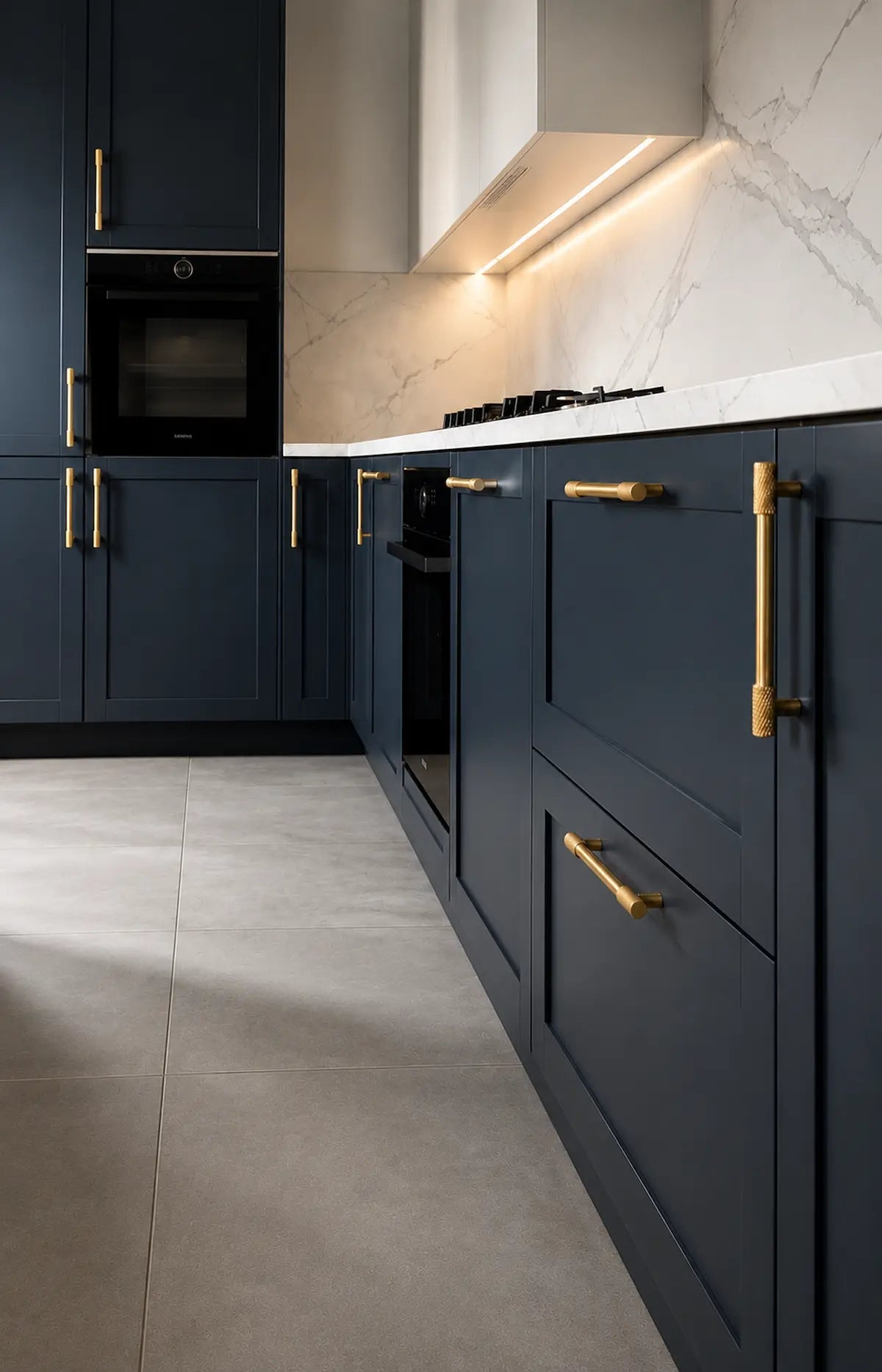
A beautifully resolved kitchen can lose its conviction at the final touchpoint. Cabinet handles are where the hand meets the joinery: the detail that reveals whether a room has been considered as a whole or simply fitted out. Their scale, material and finish influence the character of every drawer, pantry and wardrobe door long after stone, paint and appliances have settled into the background.
For a premium renovation or custom build, handles are not an afterthought. They are small pieces of refined metalwork, repeated throughout a space, that establish rhythm and invite use. The right choice can make restrained cabinetry feel architectural, give timber joinery a more tailored presence, or introduce a tactile contrast against smooth lacquer and stone.
Cabinet handles begin with proportion
Before selecting a finish, consider the cabinet itself. Long, low drawers and tall pantry doors usually benefit from a bar handle or pull with enough length to feel deliberate. A handle that is too short can appear incidental on wide joinery, while one that extends almost the full width of a drawer creates a quieter, more linear composition.
Smaller drawers, bedside tables and compact bathroom vanities allow more freedom. A well-proportioned knob can bring a pleasing point of detail, particularly where the joinery has framed fronts, shadow lines or a more classic profile. On flat-panel cabinetry, a slim pull or bar handle often keeps the look clean and contemporary.
There is no universal rule that every handle must be long or every drawer must carry two pulls. It depends on drawer width, door weight, the visual density of the room and how often the cabinet is used. On very wide drawers, two handles can offer practical balance, but a single centred pull may look more composed where minimalism is the priority. Marking out handle positions with painter's tape before drilling is a simple way to test both proportion and placement in the room itself.
Think in repeated lines
Cabinet hardware works best when its geometry supports the lines already present in the interior. Horizontal bar handles can echo a long island bench, linear stone veining or expansive glazing. Vertical pulls on tall cabinetry draw the eye upward and lend presence to integrated refrigerators, linen cupboards and wardrobes.
Consistency does not mean every piece must be identical. A kitchen may use long pulls on pantry doors, medium pulls on drawers and smaller knobs on a nearby bar cabinet, provided the material, finish and design language remain connected. This measured variation gives bespoke joinery a more resolved, furniture-like quality.
Material changes the experience
A handle is handled dozens of times each day. That makes material more than a visual decision. It shapes temperature, weight, texture and the way a room feels in use.
Solid brass has a density that plated or hollow hardware cannot imitate. It feels substantial in the hand, carries crisp detailing and develops character through touch. Depending on the finish, brass can read as warm and softly traditional, sharply contemporary or richly tonal against darker timbers. It works particularly well with honed stone, off-white joinery, walnut and deep painted cabinetry because it introduces warmth without relying on ornament.
Natural materials bring another layer of expression. Marble cabinet pulls, such as those in a material-led Pietra collection, offer veining and tonal variation crafted by nature. No two pieces are exactly alike, which makes them especially compelling on a restrained vanity, a quiet dressing room or a custom sideboard where the hardware deserves to be noticed.
Premium leather has a softer visual and tactile register. It can temper the crispness of dark joinery or add warmth to a pale oak wardrobe. Leather-wrapped details are often most effective in low-to-medium use spaces such as bedrooms, wardrobes and study cabinetry, where their tactile appeal can be appreciated without asking them to perform like a commercial kitchen fitting.
Timber handles bring a different kind of warmth. Walnut paired with brushed brass, for example, can connect joinery hardware to flooring, furniture and timber panelling while retaining the precision of metal fixings. This combination suits homes that favour natural material contrast over a perfectly uniform finish.
Choose real materials with clear expectations
Natural marble, leather and timber are valued because they vary. Grain direction, veining, pores and tonal shifts are inherent to the material rather than defects to be eliminated. In a highly controlled, monochromatic interior, that variation should be embraced as part of the design or balanced with a simpler solid brass form.
Finishes also deserve an honest assessment. Highly polished surfaces show fingerprints more readily, while brushed or textured metal can be more forgiving in a busy family kitchen. Living finishes may mellow over time, particularly in areas of frequent handling. For some projects, this evolving patina is precisely the appeal. For others, a more stable finish better suits the brief.
Match cabinet hardware to the room's demands
Kitchens place the greatest demands on cabinet handles. Grease, moisture, frequent cleaning and constant use favour pieces with a comfortable grip, durable construction and enough projection for fingers to clear the cabinet face. Very delicate knobs may be visually charming, but can be less practical on a heavy integrated dishwasher drawer or a pull-out pantry.
Bathrooms invite a finer balance between durability and detail. Brass works beautifully with stone, terrazzo and handmade tiles, while natural marble handles can create a considered link to the vanity top. In compact bathrooms, a small but distinctive handle can bring personality without adding visual clutter. Choose a finish that supports the tapware rather than assuming it needs to be an exact match. Complementary warm metals often look more layered and intentional than near-matching finishes that differ slightly in tone.
Wardrobes and dressing rooms offer scope for more expressive choices. Long vertical pulls can make tall doors feel elegant and reduce the need for additional decorative detail. Leather or timber elements feel especially at home here, where they add softness to cabinetry that might otherwise read as overly built-in.
For laundry, mudroom and utility joinery, practicality should lead. Handles need to be easy to grasp with wet or occupied hands, and a brushed solid metal finish can maintain a composed appearance through hard use. Luxury is not fragility. It is choosing materials and forms appropriate to the way a room is actually lived in.
Coordinate beyond the kitchen
The most persuasive interiors often repeat a hardware language from room to room. That does not require matching every item exactly, but it does require a clear relationship between cabinet pulls, door levers, privacy turns and accessories.
Using one collection or a closely related brass finish across doors and joinery gives a home visual continuity. A guest may not identify why the rooms feel connected, yet the effect is immediate: the door lever, wardrobe pull and bathroom vanity hardware appear to belong to the same architectural idea.
This is particularly valuable in open-plan homes, where the kitchen can be seen from the living area and nearby hallway doors. A cabinet handle finish that feels disconnected from the door hardware can make expensive joinery seem less integrated. Conversely, coordinated pieces let bolder materials such as marble, leather or walnut feel deliberate rather than decorative.
Bergamo Design approaches this as a whole-home specification, with solid brass door and cabinet hardware designed to sit together across kitchens, bedrooms, bathrooms and passage doors. For designers, builders and joiners, this reduces the risk of making isolated decisions late in a project when finishes have already been locked in.
The practical details worth resolving early
The centre-to-centre measurement of a pull, its overall length and its projection from the cabinet face all affect installation and comfort. Confirm these dimensions with the cabinetmaker before drilling, particularly where handles align across multiple drawer banks. If you are replacing existing hardware, measure the current fixing centres rather than relying on the full length of the handle.
It is also wise to consider how each handle will sit against nearby materials. A prominent pull may catch on an adjacent door or interfere with an appliance panel. Knobs can be ideal for shallow drawers, yet may feel less comfortable on a heavy door. On cabinetry with a strong grain, test whether handles should follow the horizontal or vertical orientation of the timber.
Material samples can help resolve these questions before a full order is placed. View them beside the actual joinery, benchtop, paint and tapware wherever possible. Daylight, warm interior lighting and the undertones in natural stone can change the way brass and timber finishes are perceived.
Made-to-order hardware also rewards early selection. Allowing for a two to three week project lead time helps the cabinetry programme move without compromise, while a 30-day change-of-mind return policy provides useful reassurance when decisions are made carefully but remotely.
The best cabinet handles do more than complete cabinetry. They give a room a tactile signature - one that feels as considered on the thousandth opening as it did on the first.
Read more
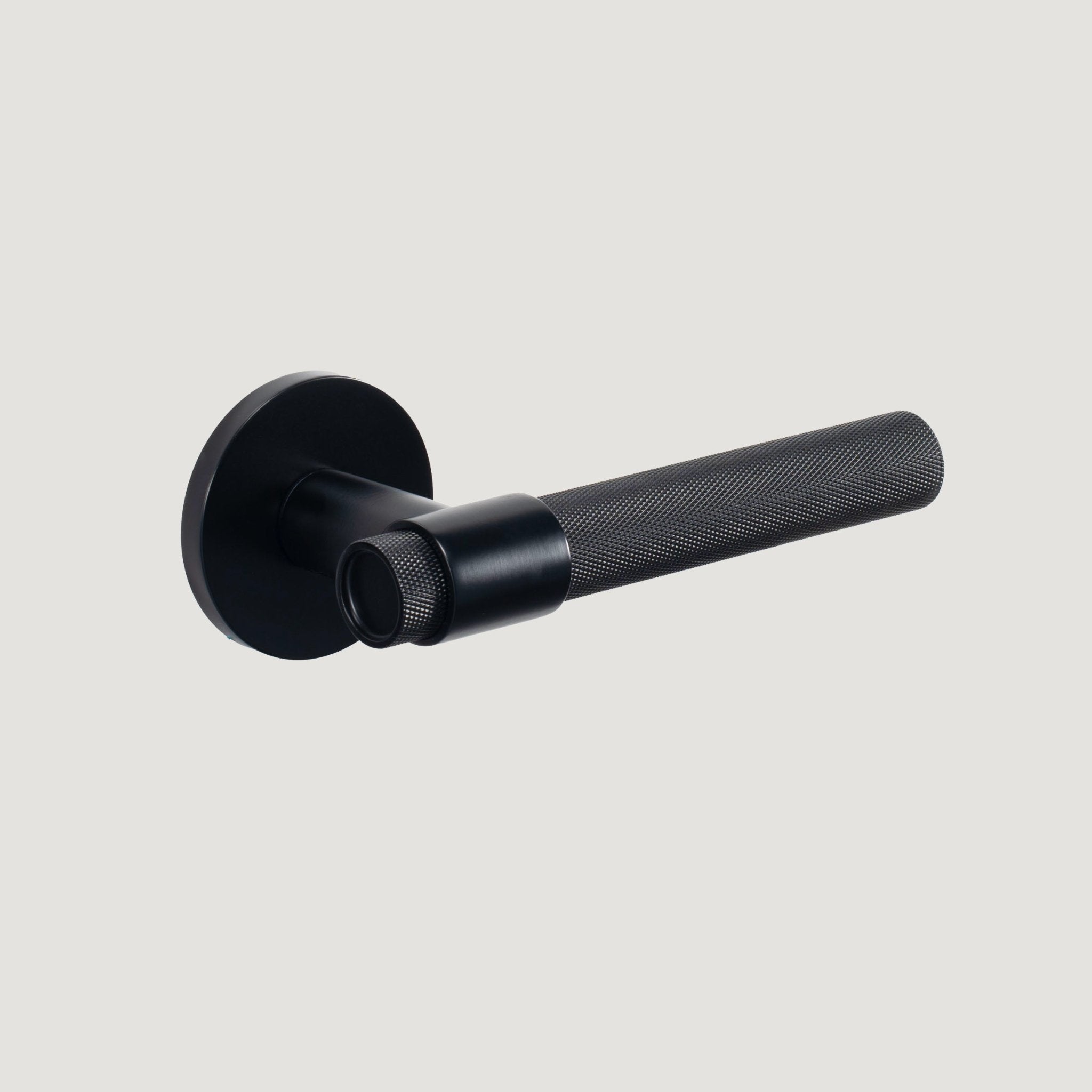
Choose solid brass door handles for weight, warmth and lasting detail. Learn how to specify finishes, functions and coordinated hardware with confidence.
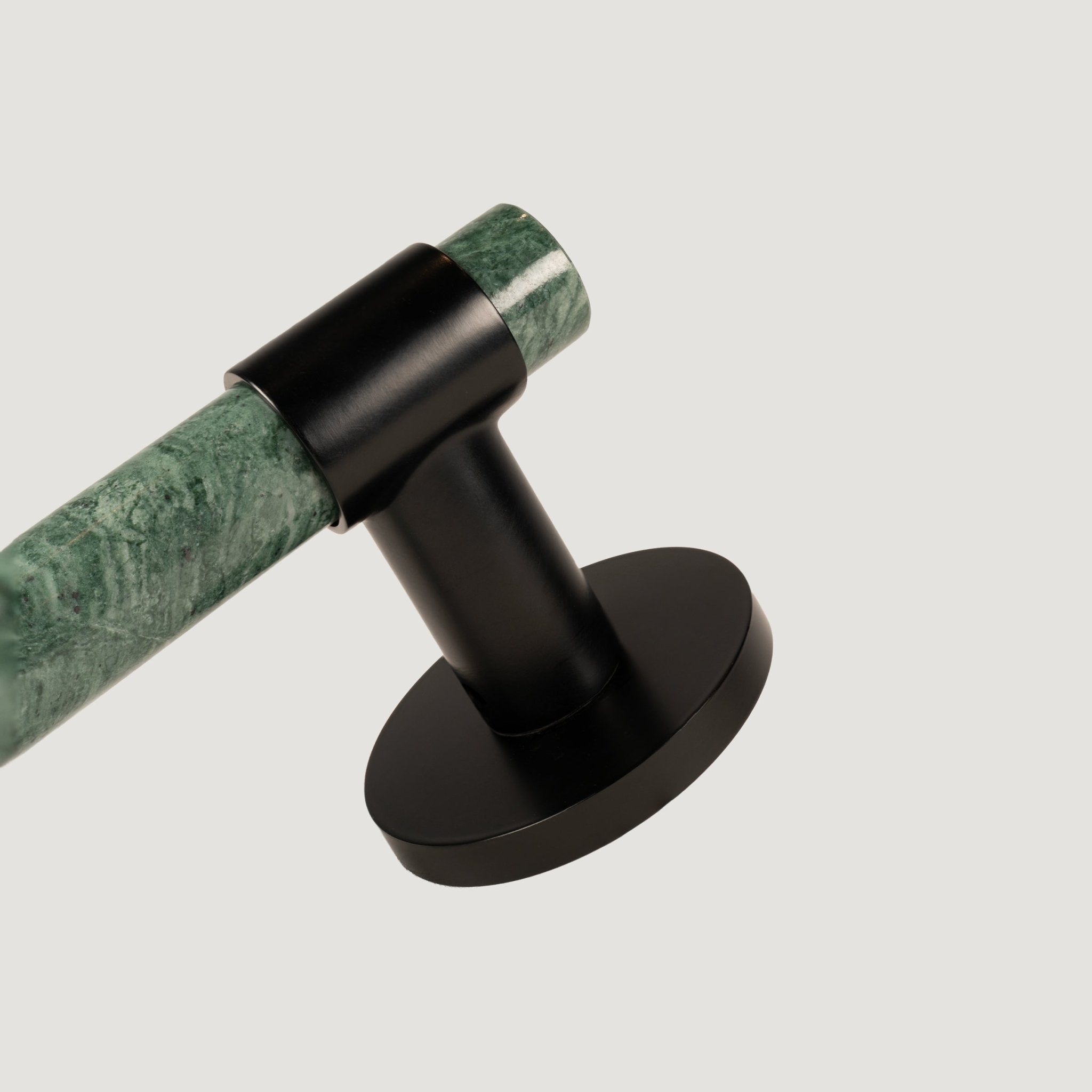
Choose marble door handles with confidence. See how natural stone, solid brass and careful placement add depth to refined Australian residential interiors.
Leave a comment
All comments are moderated before being published.
This site is protected by hCaptcha and the hCaptcha Privacy Policy and Terms of Service apply.